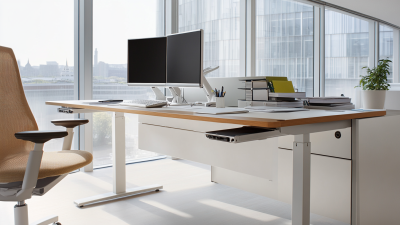
Picking out the right cubicle furniture for your office isn’t just about looks—it can actually make a real difference in how your team performs and feels. Did you know that, according to the International Facility Management Association, a well-designed workspace can boost employee productivity by up to 20%? No joke! Since cubicles are pretty much a staple in lots of offices, choosing the right Cubicle Shelves and other furniture is key to making the best use of space and keeping things functional.
A lot of folks tend to overlook how much aesthetics and comfort matter in cubicle design. In fact, a recent survey from the American Society of Interior Designers found that about 71% of employees feel that poorly chosen furniture can really hurt their productivity. So, investing in good-quality cubicle furniture isn’t just about looks—it creates a more inviting, practical work environment. Plus, a smartly selected cubicle shelf can help keep clutter at bay, giving everyone a little more breathing room.
That said, it can also be super overwhelming to decide what’s best. You’ve got brands like Steelcase and Herman Miller offering tons of options, but figuring out what’s right for your particular space isn’t always straightforward. It’s a balancing act—trying to stay within your budget while still getting furniture that looks good and works well. Knowing what factors to consider, like durability, style, and price, can really help you make better choices so your office not only looks good but also feels right for everyone working there.
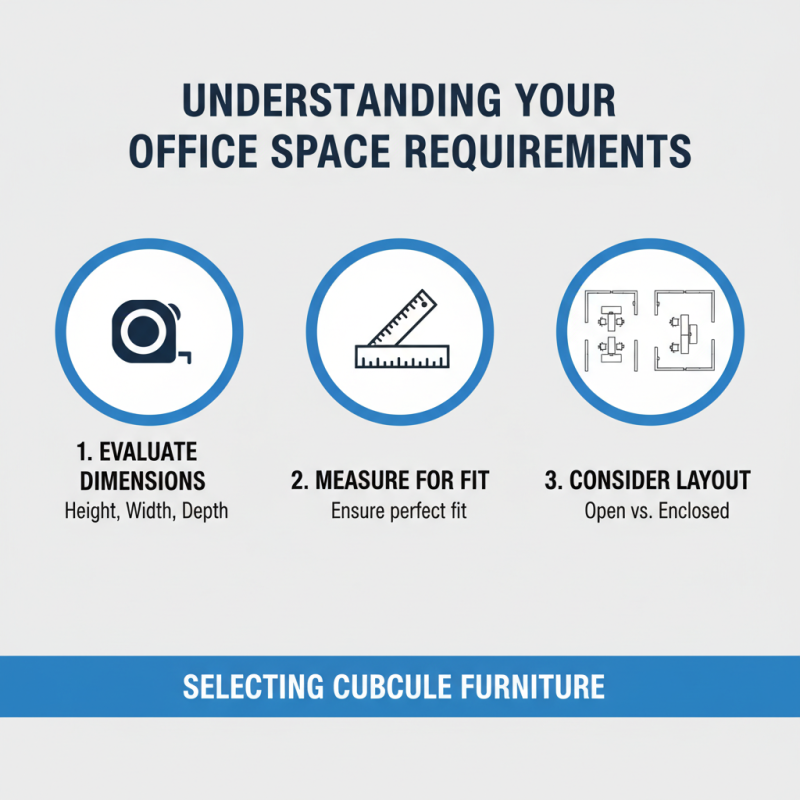
Understanding your office space requirements is crucial when selecting cubicle furniture. Start by evaluating the dimensions of your workspace. Measure the height, width, and depth to ensure a perfect fit. Consider the layout as well. Open designs may require different furniture than enclosed spaces.
Tip: Choose furniture that optimizes vertical space. Use shelves and cabinets to store items off the floor. This helps keep the area tidy and functional.
Next, think about the activities performed in the cubicle. Will it be primarily for computer work or meetings? If meetings are frequent, include extra seating. Make sure that the furniture promotes collaboration.
Tip: Adjustable Desks can cater to both sitting and standing postures. This flexibility can enhance productivity and comfort. However, ensure the design still allows movement around the desk without obstruction.
Reflecting on these details helps make informed choices. Balancing aesthetics with functionality can be challenging. Be ready to adapt your selections as office dynamics change over time.
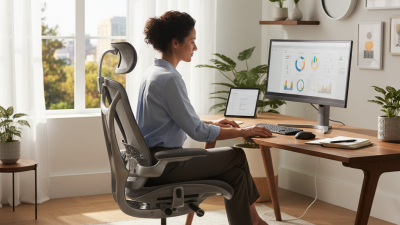
Creating a comfortable workspace involves choosing ergonomic furniture. Ergonomic Chairs play a vital role. Look for adjustable seat height and lumbar support. An ideal chair encourages good posture and reduces back strain. Test different options to find the right fit for your body type.
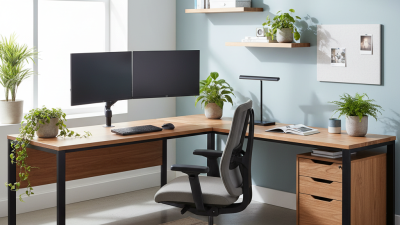
Desk selectionis equally important. Standing Desks can promote movement throughout the day. A desk that allows for both sitting and standing can enhance your comfort. Pay attention to the desk's height and surface area. It should accommodate your work needs without causing discomfort.
In addition to chairs and desks, invest in accessories. An ergonomic keyboard and mouse can reduce wrist strain. A monitor stand helps position your screen at eye level. These details matter. Evaluate what feels comfortable for you. Over time, even small discomforts can lead to larger issues. Regularly reassess your setup to ensure it meets your needs.
Choosing cubicle furniture that boosts productivity involves careful selection of materials and designs. Consider ergonomic chairs and desks. They are essential for comfort during long hours. Adjustable desks can also promote movement, reducing fatigue. Look for materials that are durable yet aesthetically pleasing, as this balance can enhance focus and creativity.
Colors and textures matter. Soft hues can create a calm atmosphere, while bright accents may energize the space. Natural materials, like wood, can bring warmth and a touch of nature indoors. Thoughtful design choices can lead to a more inviting workplace.
However, not all designs suit every individual. Some may find open storage distracting, while others thrive on it. It's essential to reflect on personal preferences. What works for one person may not work for another. Regularly reassessing your space can help in maintaining an environment that truly supports your productivity and well-being.
Choosing the right cubicle furniture requires a delicate balance between quality and budget. Office environments thrive on functionality and aesthetics. High-quality furniture enhances employee productivity, but costs can quickly add up. Finding pieces that are durable yet affordable is a challenge many face.
Consider the materials used in furniture construction. Wood offers durability, but can be costly. A mix of metal and laminate may provide an ideal balance. Focus on ergonomic designs that support health without breaking the bank. Desks and chairs that adjust to individual needs can prevent discomfort. This choice may initially seem pricier, but it pays off in employee satisfaction.
Don’t overlook second-hand options. They can provide excellent quality at a fraction of the cost. However, ensure you assess their condition. Lack of support or wear can lead to future expenditures. The key is to weigh the long-term benefits against immediate costs. Each choice reflects your budget and commitment to a healthy workplace. Adjusting your expectations can lead to surprising solutions.
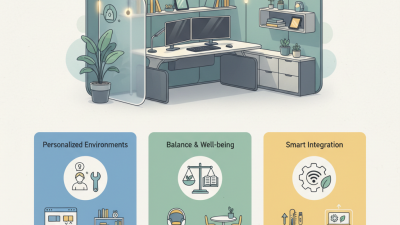
Creating an aesthetically pleasing office environment is crucial for employee well-being. Studies show that a well-designed workspace can boost productivity by up to 20%. Incorporating natural elements, such as plants and natural light, can significantly improve mood and concentration levels. A survey by Human Spaces reports that 33% of employees feel more productive in spaces that foster greenery.
When selecting cubicle furniture, consider color schemes that promote calmness and creativity. Soft blues and greens can help reduce stress. Conversely, warmer colors can inspire energy and focus. Incorporating artwork or personal touches in cubicles also enhances the emotional connection employees have with their workspace.
Tips: Choose ergonomic furniture. It reduces discomfort and enhances productivity. Maintain a clean visual environment by decluttering regularly. Encourage personalization in cubicles, allowing employees to express themselves.
While designing an office, it’s important to balance aesthetics and functionality. Keep in mind that not all employees respond positively to similar designs. What works for one person might not work for another, so consider feedback and be ready to make adjustments. Ensuring a dynamic space can lead to greater satisfaction and overall performance in your team.
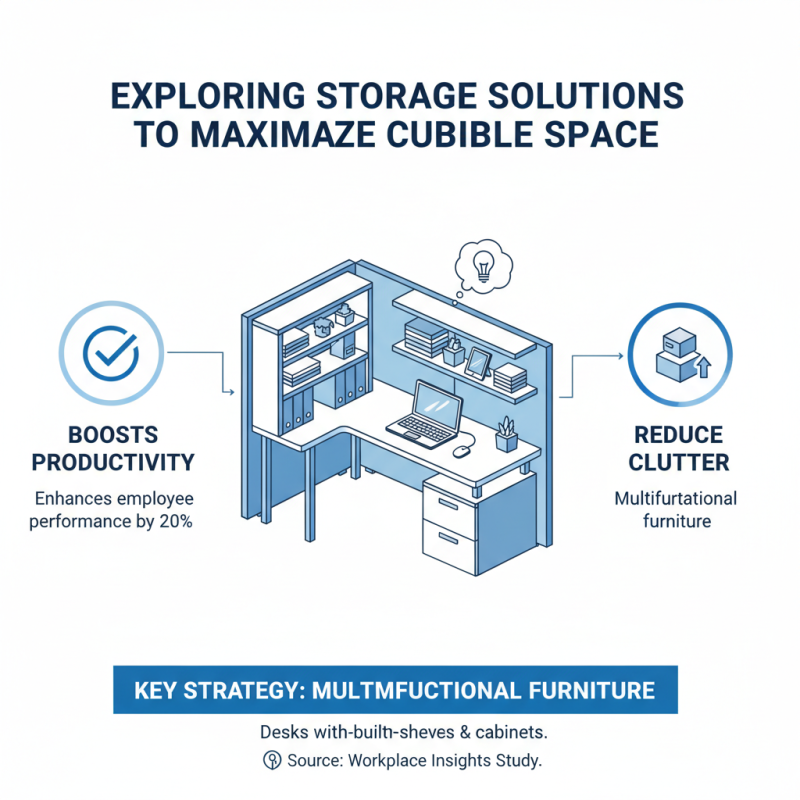
Maximizing storage solutions in cubicles is crucial for productivity and organization. According to a study by Workplace Insights, effective use of space can enhance employee performance by 20%. One of the best ways to achieve this is through multifunctional furniture. Desks with built-in shelves or cabinets can significantly reduce clutter.
Consider vertical storage options. Wall-mounted shelves not only save floor space but also provide easy access to essential items. A recent report from the Global Workspace Survey indicated that over 35% of workers feel their productivity declines due to disorganized workspaces. Hence, investing in ergonomic storage solutions can lead to improved overall workplace well-being.
However, it's important to reflect on what doesn't work. Some cubicles use oversized furniture that can overwhelm the space. This can create a feeling of confinement rather than openness. Balancing aesthetic appeal with practical needs requires careful consideration. Finding the right storage furniture may need trial and error. Analyzing employee feedback can guide improvements in cubicle setups.
When evaluating vendor options for cubicle furniture, quality and support services should be your primary focus. It's crucial to research vendors that specialize in Office Furnishings. A well-established vendor often indicates experience and reliability. Read reviews and ask for referrals to gauge customer satisfaction.
Pay attention to the materials used in their products. High-quality furniture should offer durability and comfort. A vendor that provides detaiLED specifications displays transparency and authority. Don’t hesitate to ask about warranties and return policies. This speaks volumes about their confidence in the furniture and their commitment to customer service.
Consider the support services that vendors offer. Installation and maintenance should be part of the package. A good vendor will provide assistance during the setup phase. User manuals should be accessible and clear. Some vendors may lack thorough support, so assess their responsiveness. A delay in assistance can lead to frustrations down the line. Select wisely to create a functional office space that meets your needs.
| Feature | Vendor A | Vendor B | Vendor C |
|---|---|---|---|
| Quality of Materials | High | Medium | High |
| Warranty Period | 5 years | 3 years | 4 years |
| Customization Options | Yes | Limited | Yes |
| Delivery Time | 2 weeks | 1 month | 3 weeks |
| Customer Support | 24/7 | Business hours | 24/7 |
: Focus on durable materials like metal and laminate. Ergonomic designs are essential for long-term benefits.
Yes, they can be cost-effective, but assess their condition carefully to avoid future costs.
A well-designed workspace boosts productivity. Natural elements enhance mood and concentration.
Soft blues and greens promote calmness, while warmer colors can inspire energy and focus.
Personalization enhances emotional connection, improving overall satisfaction and productivity.
It reduces discomfort, supports health, and ultimately boosts employee productivity.
Regular decluttering is important for maintaining a clean visual environment.
Ask employees directly. Adjust designs based on their responses for better satisfaction.
Yes, preferences vary. Be open to making changes based on feedback.
It can lead to unexpected solutions that improve both functionality and aesthetics.
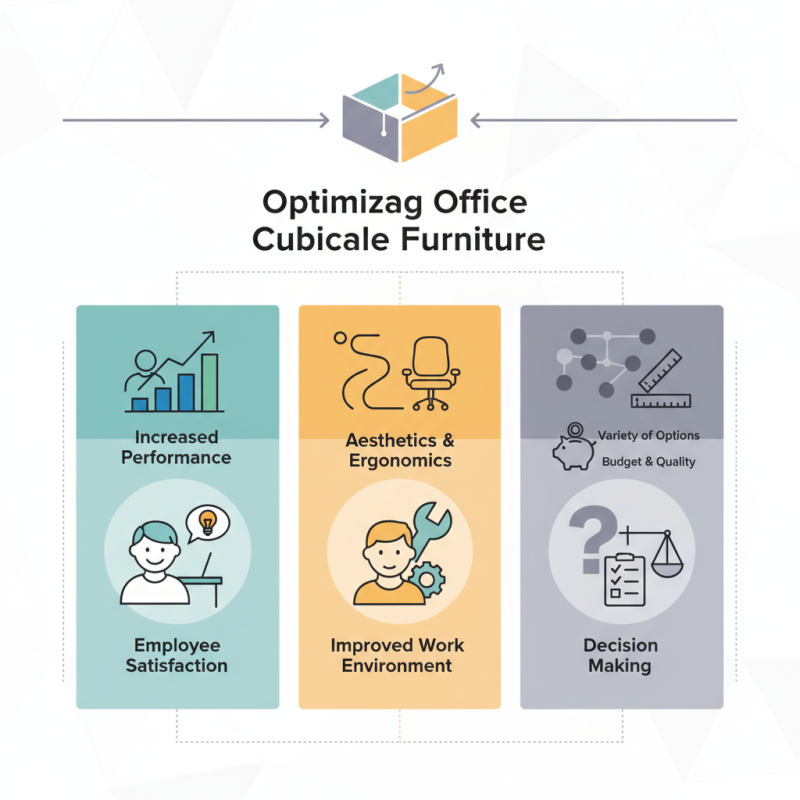
When choosing the best cubicle furniture for your office, it's essential to understand your space requirements to ensure that the selected pieces fit seamlessly within the environment. Prioritizing ergonomic furniture options can significantly enhance comfort and productivity, allowing employees to work efficiently throughout the day. Additionally, the selection of materials and designs should focus on fostering a positive work atmosphere while balancing budget constraints with the need for quality.
Exploring storage solutions is crucial for maximizing cubicle space, helping to keep the workspace organized and clutter-free. Aesthetic elements can also play a vital role in creating a welcoming environment that boosts morale. Finally, evaluating vendor options is important to ensure you receive quality products and reliable support services, which can contribute to a successful office setup.