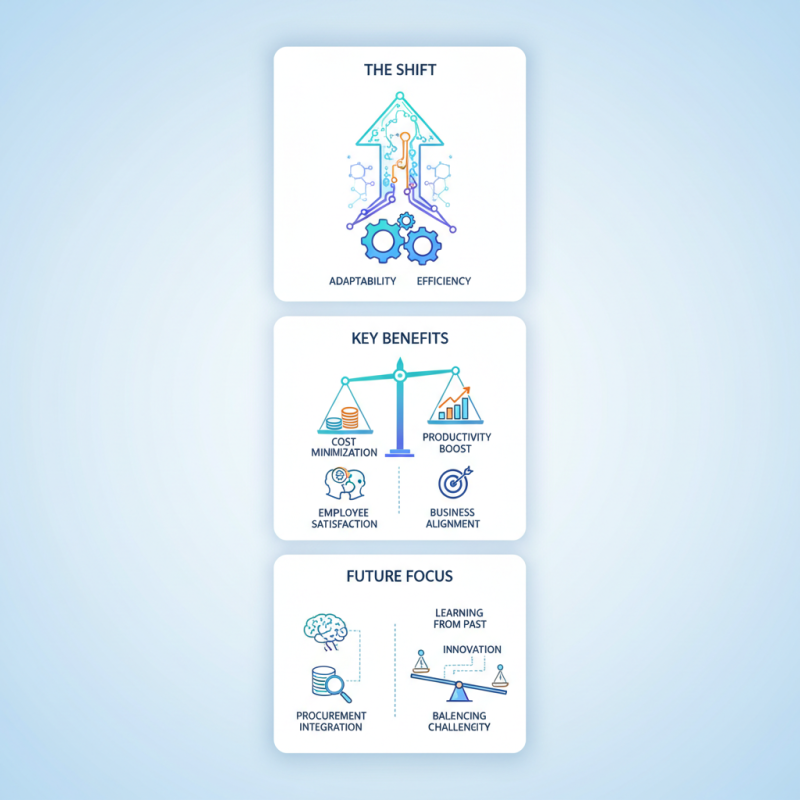
In today’s fast-changing business world, finding a good Workspace Solution is more important than ever. I read a recent report from Forrester Research that says about 70% of companies are now putting money into flexible workspace strategies. That really shows how much more companies are starting to realize that adaptability and efficiency are total game changers in how they run things these days. Experts point out that the right Workspace Solution can help cut costs and boost productivity — which is pretty much what everyone’s after.
Jeffrey Miller, who’s pretty much an authority when it comes to workplace innovation, mentioned, “Using advanced Workspace Solutions isn’t just a passing trend; it’s a must if you want your business to survive.” His words really hit home, making it clear that companies need to step back and honestly look at their current setups. When you find the right Workspace Solution, not only does it make employees happier, but it also lines up with what the business wants to achieve overall.
Of course, jumping into new solutions isn’t always smooth sailing. One mistake many organizations make is ignoring how important it is to properly implement procurement solution software. Forgetting about that can mess up how smoothly things run. As businesses start thinking about the best Workspace Solutions for 2026, learning from previous experiences will be key. Innovating while staying practical is no easy feat — it takes careful planning and a bit of trial and error, but it’s definitely worth it.
In 2026, workspace solutions are poised for significant transformation. The push for flexibility and hybrid models is evident. According to recent industry reports, around 70% of businesses will adopt hybrid environments by 2026. This shift reflects employees' desire for balance between remote and on-site work. However, many organizations still struggle to implement these changes effectively.
Technology will play a crucial role. The global market for collaborative tools is expected to reach $18 billion by 2026. Companies need to invest in platforms that enhance virtual interactions. Yet, the reliance on technology brings challenges. Issues like employee burnout and digital fatigue are rising. A significant number of workers report feeling overwhelmed by constant connectivity.
Furthermore, workspace design is evolving. Open layouts are giving way to more defined spaces. Research indicates that 40% of employees prefer quiet zones. Creating an inclusive environment is essential. Despite these trends, some firms remain hesitant. The fear of losing corporate culture in a remote setting persists. Addressing these concerns will be key to embracing new workspace solutions.
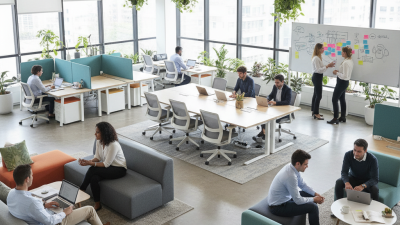
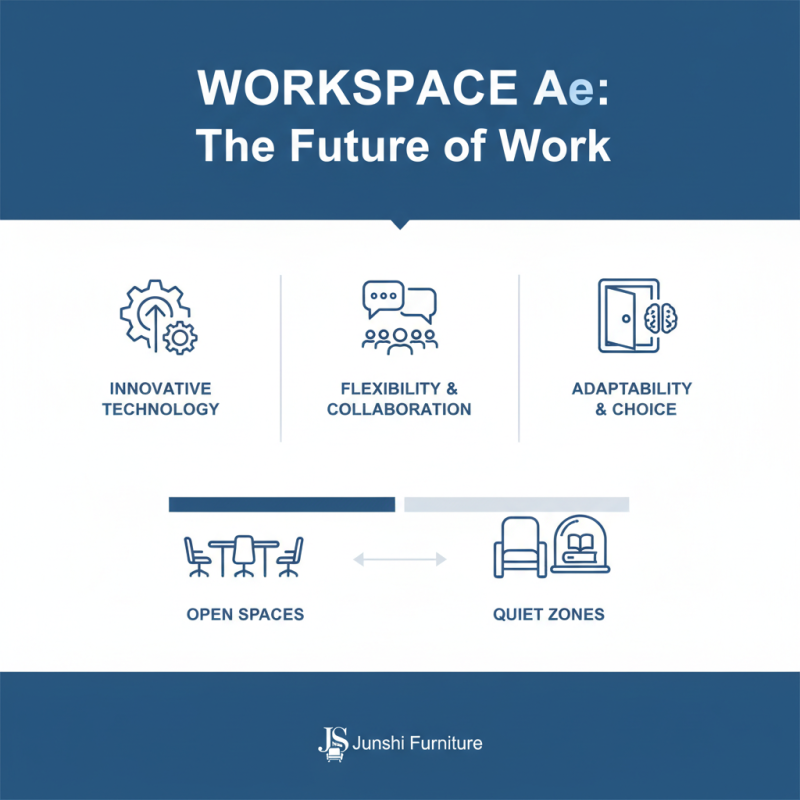
In the evolving landscape of office environments, innovative technologies are redefining how we work. Workspace Ae emphasizes flexibility and collaboration. This approach enables teams to adapt to various tasks and work styles. Open spaces and quiet zones coexist, catering to different needs and preferences.
Consider integrating smart technology into your office. Tools like automated lighting and climate control can enhance comfort and productivity. An adaptable layout encourages movement and spontaneous collaboration. Tips include: assess your space regularly. Gather feedback from employees to identify what works and what doesn’t. Small changes can lead to a more engaged workforce.
Embrace the power of virtual tools. They connect remote teams seamlessly. Digital communication platforms can facilitate real-time collaboration. Yet, be cautious. Over-reliance on technology can lead to disconnection among team members. Balance is crucial for a thriving workspace.
Remote work has transformed the business landscape. Companies now seek effective strategies to enhance productivity. Communication plays a vital role. Regular check-ins keep teams aligned. Simple tools can streamline tasks. Yet, some employees feel isolated. They miss casual office conversations. This gap can hurt morale.
Flexibility is crucial in remote environments. Workers should design their own schedules. This autonomy often leads to better output. However, it can lead to confusion. Team members may struggle with time zones. Scheduling meetings becomes a challenge. Collaboration tools can help, but they aren’t always perfect.
Creating a sense of community is essential. Virtual team-building activities can foster connections. Still, these initiatives sometimes feel forced. Balancing work-life boundaries is another hurdle. Many workers end up overworking. A clear workspace can support productivity, especially within remote settings. Abundant options exist for creating an ideal workspace, especially in Workspace Uae. These strategies need constant refinement to truly benefit the team.
Modern workspaces are evolving. They must incorporate sustainable design practices. This shift is essential in today’s world. Eco-friendly materials can reshape office interiors. Think bamboo floors or recycLED glass. These choices reduce waste. They connect employees to their environment.
Lighting also plays a crucial role. Natural light boosts mood and productivity. Large windows can create a brighter atmosphere. However, it’s not always feasible for every space. In such cases, LED lights are a good alternative. They consume less energy but require proper disposal.
Furniture made from sustainable resources is an important consideration too. Ergonomic designs enhance comfort but often overlook environmental impact. Many options are available now. They are stylish yet practical. Unfortunately, finding a balance between aesthetics and sustainability can be challenging. Workspaces must prioritize flexibility for future changes. The journey toward perfect sustainability is ongoing.
In today's hybrid work models, collaboration tools play a pivotal role. A recent study indicated that 70% of businesses believe these tools boost productivity. With remote work becoming the norm, teams require effective platforms for communication. Yet, many companies struggle to integrate these tools seamlessly into their daily operations.
Despite the increase in usage, 60% of employees report feeling overwhelmed by too many communication channels. This can lead to miscommunication if not managed properly. Teams need to consider which tools best suit their workflow. A tailored approach may enhance collaboration without fostering confusion.
Moreover, security concerns abound. Reports suggest that hybrid work setups have seen a 30% rise in cyber threats. Businesses cannot ignore these risks while embracing digital transformation. They must identify gaps in their security protocols. Overcoming these challenges is vital for fostering a productive and secure hybrid work environment.
In modern businesses, employee well-being is crucial. Mental health impacts productivity and overall workplace atmosphere. A recent survey revealed that 83% of employees feel stressed at work. This stress can lead to burnout, absenteeism, and high turnover rates. By prioritizing mental health, companies can foster a supportive environment.
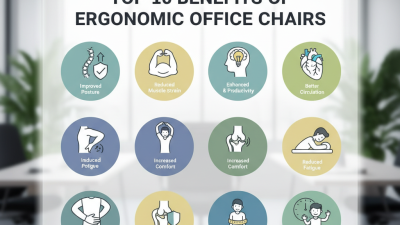
Workspace design plays a vital role in influencing mental health. Comfortable furniture, such as a quality Workspace Chair, can enhance focus and reduce physical strain. Natural light and greenery can also alleviate stress. Recent findings indicate that well-designed workspaces can boost employee satisfaction by up to 32%.
Tips for improving mental health in workspaces include creating quiet zones for breaks and encouraging open communication. Regular surveys can gauge employee feelings. Acknowledging mental health challenges is essential. Businesses should review their environments continually. It’s not just about aesthetics; it’s about people thriving in their roles.
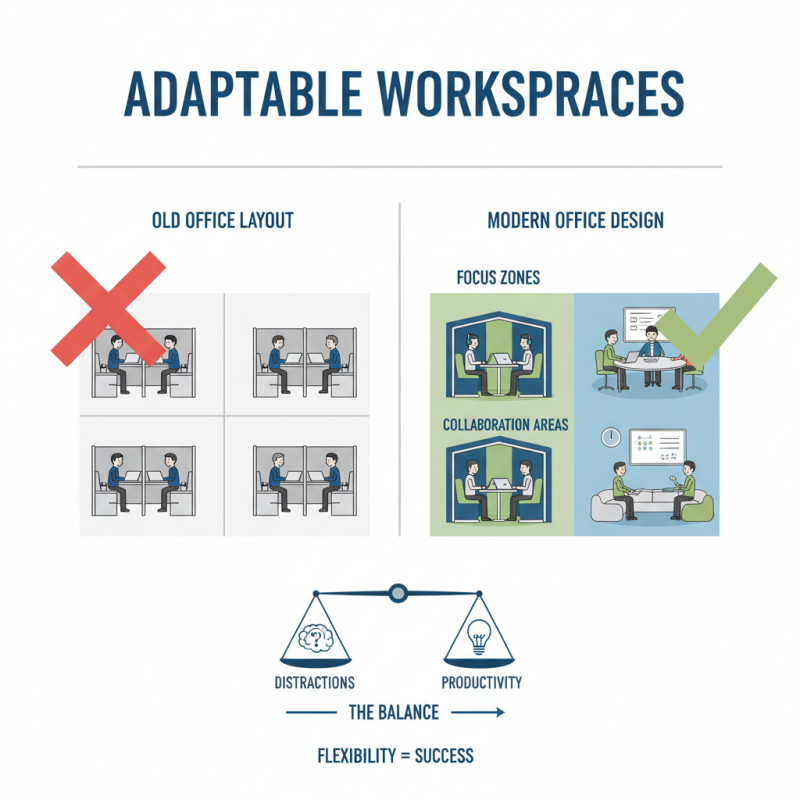
As businesses evolve, the need for adaptable workspaces becomes critical. The traditional office layout is being challenged. Open spaces promote collaboration, but they can also lead to distractions. It's a delicate balance that every modern business must navigate. Creating zones for focus alongside areas for teamwork can enhance productivity.
Technology integration is another crucial aspect of future-proofing workspaces. Smart solutions enable seamless collaboration, whether in-person or remote. Video conferencing tools and project management software can bridge gaps. However, not all teams are tech-savvy. Training sessions might be required to maximize these Workspace Solutions. This highlights the need for ongoing evaluation and feedback.
Moreover, employee well-being is paramount. Flexible work arrangements are becoming the norm. Some prefer quiet, dedicated spaces, while others thrive in bustling environments. Employers should allow these choices. The workspace should reflect the diverse needs of the workforce. Frequent assessments of how the layout serves employee needs can reveal areas for improvement. Balancing aesthetics, functionality, and comfort is an ongoing journey.
: Participants can gain new skills. Networking opportunities are available. It helps enhance personal growth.
The duration varies. It typically runs for several weeks. Some sessions might be shorter, while others are longer.
No specific qualifications are required. A willingness to learn is essential. Previous experience may help but is not mandatory.
Expect to learn communication skills. Critical thinking is also a key area. Teamwork and problem-solving will be emphasized.
Yes, participants can provide feedback throughout the program. Regular check-ins help address concerns. Reflection is encouraged for improvement.
Yes, flexibility is offered. It's essential to manage your time well. Balancing commitments can be challenging, but it’s doable.
As businesses navigate the evolving landscape of work, the 2026 Top Workspace Solutions emphasize the importance of adaptability and innovation. Key trends show a strong focus on integrating innovative technologies to create Modern Office environments that enhance productivity. Effective remote work strategies are crucial, enabling teams to thrive regardless of location. Moreover, sustainable design practices are increasingly prioritized to reflect contemporary values and improve overall workspace aesthetics.
Collaboration tools play a pivotal role in hybrid work models, fostering communication and teamwork among dispersed employees. Additionally, prioritizing employee well-being, particularly mental health, has become essential in workspace design. Future-proofing businesses through thoughtful workspace solutions not only anticipates changes in work patterns but also ensures resilience in the face of challenges, ultimately leading to a more engaged and productive workforce.